
Benefits of Single Origin Specialty Beans: A 2026 Guide
Quick Summary
Single origin specialty beans come from one identifiable place, so their flavor reflects that origin's climate, altitude, and soil rather than a blend. The benefits of single origin specialty beans include clearer, more distinctive flavor, traceability to a named region or farm, and the chance to taste how origin shapes a cup.
- Single origin coffee is sourced from one country, region, farm, or cooperative, and the narrower the label, the more specific the flavor.
- Altitude strongly shapes taste; Guatemala from Huehuetenango can be grown as high as 2,000 meters.
- Roast level and processing method change how much origin character reaches the cup.
- Single origin coffee often costs more because lots are smaller, kept separate, and harder to source consistently.
- Check for a roast date, a specific origin, the processing method, and a stated roast level before buying.
Table of Contents
- What Is Single Origin Coffee? Defining It at Every Scale
- Single Origin Coffee vs Blend: How the Two Differ in the Cup
- Flavor Benefits: How Origin, Harvest, Processing and Roast Shape the Cup
- Traceability and Sourcing Transparency: What the Labels Actually Tell You
- Ethical Sourcing and Farmer Support: Evidence and Limits
- Why Is Single Origin Coffee More Expensive?
- Choosing and Brewing Single Origin Coffee Beans at Home
- Booking Your Next Bag: Start With a Single Origin from Reading Coffee
- Frequently Asked Questions
What Is Single Origin Coffee? Defining It at Every Scale
Last Updated: November 15, 2026
Single origin coffee is coffee grown in one identifiable place, so the beans can be traced back to a specific origin, and knowing that origin is central to the benefits of single origin specialty beans. At Reading Coffee, we define that origin at several scales, and each one tells you something different about the cup. A country-level label says Guatemala. A region says Huehuetenango. A single farm or cooperative says a named estate, and sometimes a named lot harvested in one season.
Single origin coffee is a bean lot sourced from one defined geographic origin, whether that is a country, region, farm, or cooperative. The narrower the label, the more specific the flavor expectation.
The scale matters because "single origin" is used loosely on retail shelves. A bag labeled Guatemala may blend beans from several farms across the country. A bag labeled Huehuetenango narrows the source to one of the highest-altitude growing regions in Guatemala. Ask for the most specific origin the seller can document.
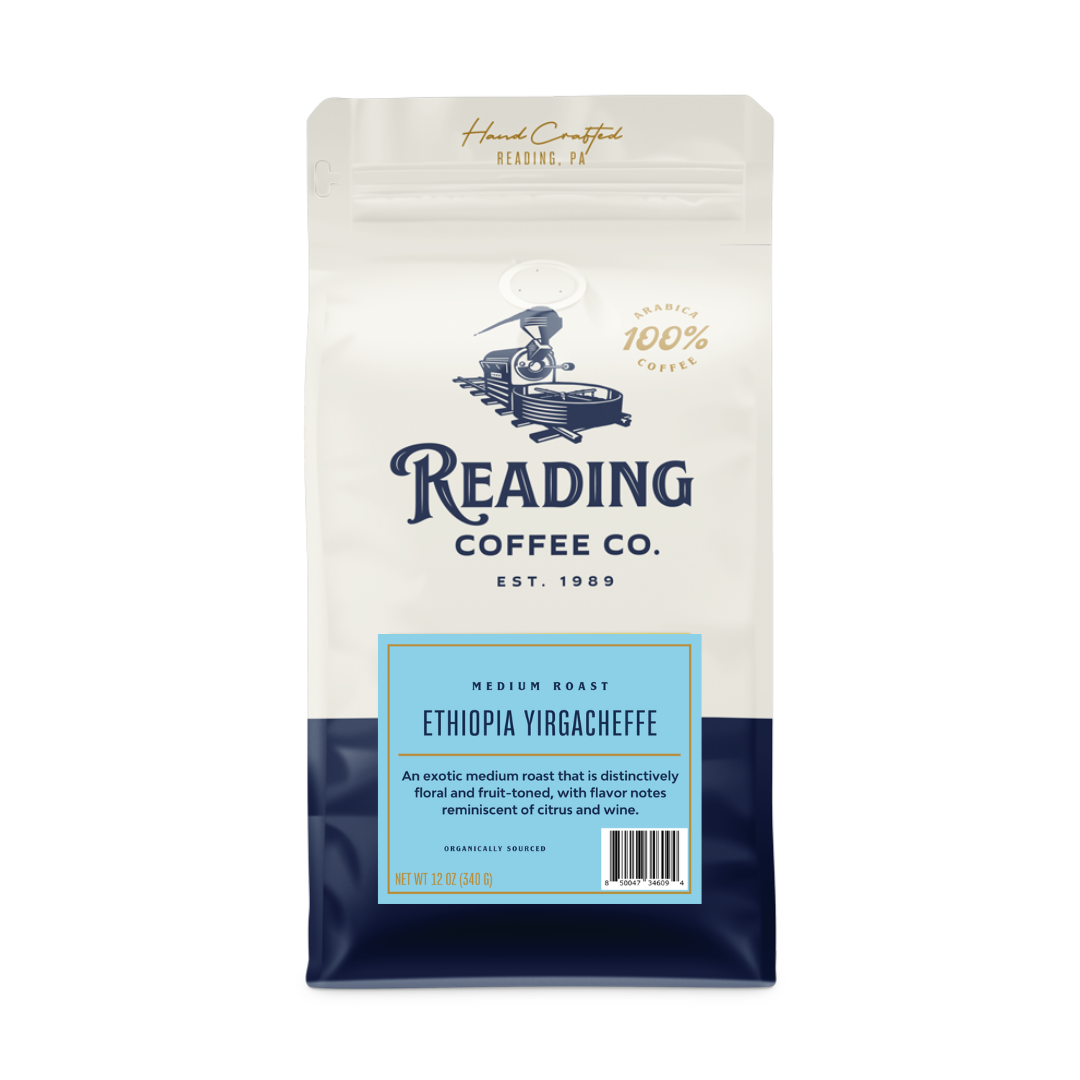
Our Ethiopian Yirgacheffe is a useful example. Its listing describes a medium roast that is distinctively floral and fruit-toned, with notes reminiscent of citrus and wine. That profile comes from one origin, which is why it tastes different from a coffee grown in Kenya or Peru.
Single Origin Coffee vs Blend: How the Two Differ in the Cup
A blend combines beans from more than one origin, usually to produce a consistent, balanced cup that tastes the same from one bag to the next. A single origin is built the other way: it aims to show the character of one place, and that character can shift from year to year.
| Feature | Single Origin | Blend |
|---|---|---|
| Source | One country, region, or farm | Two or more origins |
| Flavor | Distinct, origin-specific | Balanced, consistent |
| Consistency | Varies by harvest | Designed to stay steady |
| Best for | Tasting and comparing origins | Everyday, reliable brewing |
Neither is better across the board. A blend is a practical choice when you want the same cup every morning. A single origin is the better choice when you want to taste where the coffee came from. For a side-by-side tasting, try our Peru Cajamarca, which is a medium roast with notes of caramelized sugar, grapefruit, chocolate, and grape jelly.
Flavor Benefits: How Origin, Harvest, Processing and Roast Shape the Cup
The main benefit of single origin coffee is flavor clarity. When beans come from one place, the grower's climate, soil, and altitude show up in the cup more clearly than they do in a blend. Those factors are only part of the picture, though. Harvest timing, processing method, and roast level all shape what reaches your mug.
How Growing Region and Altitude Affect Taste
Altitude is one of the clearest influences on flavor. Our Guatemala is grown in Huehuetenango, the region with the highest altitudes in the country, reaching as high as 2,000 meters. Its listing describes crisp malic and citrus acidity, full body, and toffee sweetness. Compare that with our Costa Rican, which is grown at high altitudes on volcanic-ash soil and has up-front sweetness, mild nuttiness, and gentle citric acidity.
Growing region sets the baseline, and understanding the benefits of single origin specialty beans means seeing how processing and roast then decide how much of that character survives.
How Processing and Roast Level Change the Flavor
Processing is the step between picking the cherry and shipping green coffee. Washed processing tends to produce a cleaner, brighter cup, while natural processing often adds fruit-forward sweetness. Roast level then controls how far the flavors develop. A lighter roast keeps more of the origin's acidity and floral notes, and a darker roast pushes toward chocolate and caramel.
Our Kenya AA is a medium roast with notes of berries, cedar, and bittersweet chocolate. It has a solid body and brisk, acidic flavor. The same bean roasted lighter would taste noticeably brighter, which is why the roast date and roast level matter as much as the origin on the label.
Traceability and Sourcing Transparency: What the Labels Actually Tell You
Traceability means you can follow a bag of coffee back to where it was grown. A label that names a country is the minimum. A label that names a region, a farm, or a cooperative gives you more to verify. Ask the roaster which of these it can document, and for which lots.
Be careful with vague wording. Phrases like "ethically sourced" describe a goal, not a standard. Look for specific named origins and, where a roaster claims a certification, the certification body and the scope it covers. At Reading Coffee, we source from direct relationships with global producers.
Ethical Sourcing and Farmer Support: Evidence and Limits
Single origin coffee is often marketed as a way to support farmers. A named origin can make it easier to ask who grew the coffee, but a single origin label alone does not prove that growers were paid fairly.
Treat sustainability claims as claims to verify, not promises. Ask for specifics: which farms, what payment terms, and whether the claim is backed by a certification you can look up. A useful buyer question is simple: "Can you show me where this lot came from and how the grower was paid?" A roaster that can answer clearly has done the work.
Why Is Single Origin Coffee More Expensive?
Single origin coffee usually costs more because the supply chain is smaller and more specific. A roaster buying one lot from one region cannot spread the cost across many origins, and small lots may be harder to source consistently. Limited harvests, careful processing, and the work of verifying the origin all add to the price.
The premium is not one charge but several stacked on top of each other. That lot has to be kept separate from picking through milling, shipping, and roasting, which adds handling cost at every step. Small lots also carry more risk: if a harvest is short or a shipment is delayed, there is no second origin to fall back on. And the traceability work itself, visiting farms, reviewing lot documentation, cupping samples, costs time that a commodity blend does not require.
Quality grading adds another layer.
Our single origin bags are priced at $20.00 to $22.00. When you compare prices, check what is actually included: origin, roast date, processing, and whether the bag names a farm or only a country.
Watch out: a higher price does not by itself prove a better or more ethical lot. Price reflects scarcity and separation costs as much as cup quality, so use the label details, not the number alone, to judge what you are buying.
Seasonality also drives price swings. A single origin is tied to one harvest window, so the same coffee may cost more late in the season when stocks run low, and it may disappear entirely until the next crop. A blend can absorb those gaps by substituting origins; a single origin cannot. That is why a coffee you loved in spring may be gone, or priced differently, by fall.
Choosing and Brewing Single Origin Coffee Beans at Home
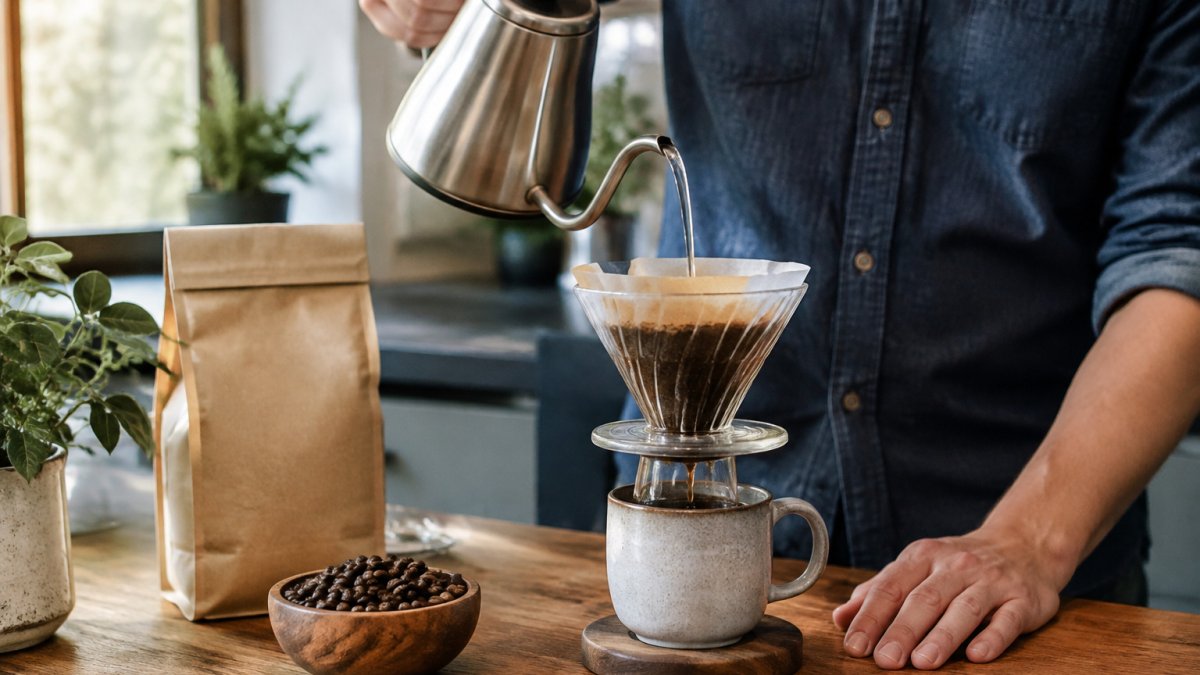
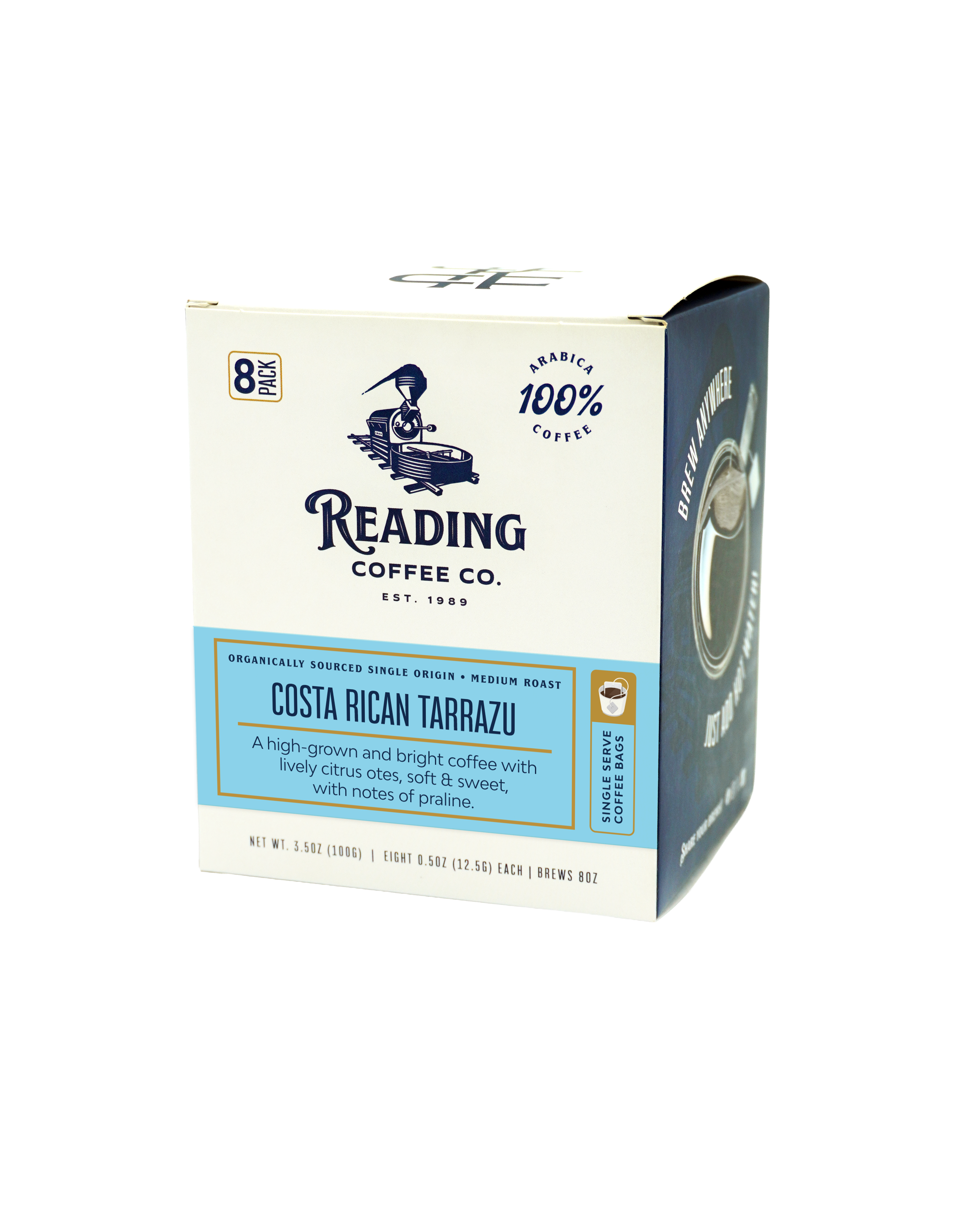
Start by choosing a flavor direction. Bright, floral, and fruit-forward coffees like the Ethiopian Yirgacheffe suit pour-over brewing, where clarity shows. If you want a convenient option, a Costa Rican Tarrazu single serve lets you brew one cup at a time. Sweeter, chocolate-leaning coffees like the Kenya AA or Costa Rican hold up well in drip machines and French presses. Check the roast date and buy whole beans when you can, since freshness affects flavor more than most buyers expect.
A label-reading checklist makes the choice concrete. Before you buy, confirm five things: a roast date (not just a best-by date), an origin specific enough to name a region or farm, the processing method (washed, natural, or another process), tasting notes that match the flavor direction you want, and a stated roast level. If a bag lists only a country and no roast date, you are buying blind.
Brewing should start from the roast and the process, not from a single universal recipe. Lighter roasts and washed coffees tend to reward a slightly finer grind and hotter water, because they are denser and less soluble; a medium-fine grind with water just off the boil pulls out the acidity and floral notes that make those lots worth buying.
Grind size should match your brewer. Pour-over usually calls for a medium-fine grind, while French press uses a coarse grind. If a single origin tastes sour or thin, try a slightly finer grind. If it tastes bitter or harsh, go slightly coarser. Change one variable at a time so you can tell what actually moved the cup.
Watch out: a coffee that tastes flat may be stale rather than badly brewed. If adjusting grind and water does not help, check the roast date before you blame your technique.
Booking Your Next Bag: Start With a Single Origin from Reading Coffee
Start with one origin you can name and one roast you want to taste. A bright Ethiopian, a balanced Guatemala, or a sweet Costa Rican will show you the difference quickly. Browse the full range on our Fall Flavor Series Halloween Coffee Collection when you are ready to try more, and let the taste tell you which origin you want next.
Frequently Asked Questions
What is single-origin specialty coffee?
Single-origin specialty coffee comes from one identifiable place rather than a mix of beans from several regions. That place can be a country, a region within it, a single farm, or a specific lot from one producer. Reading Coffee sells several single origins, including Ethiopian Yirgacheffe at $20.00, Guatemala at $21.00 and Kenya AA at $22.00, each roasted in small batches in Pennsylvania.
Is single origin coffee better than a blend?
Neither is better in every case. Single origins show the distinct character of one place, harvest and processing method, which is why they are popular with brewers who want to taste origin. Blends combine beans from several sources to produce a consistent flavor profile year-round, which suits a café that needs the same cup every day. A single origin may vary from one harvest to the next, while a well-built blend is designed to stay steady. Choose based on whether you want variety and character or repeatability.
Why is single origin coffee more expensive?
Single origin coffee often costs more because it is sourced in smaller lots, handled separately from green bean purchase through roasting, and sometimes limited to a single harvest season. Small lots can mean less volume per producer and more work to keep each origin separate. Prices at Reading Coffee reflect these factors, with single origins ranging from $20.00 to $22.00 per bag.
Do single origin coffee beans taste different?
Yes, and the differences are usually noticeable. Growing altitude, soil, climate, variety and processing all shape acidity, sweetness and body. For example, Guatemala Huehuetenango coffees are often described as crisp and fruit-forward with toffee sweetness, while Kenya AA is typically brisk and acidic with notes of berries and bittersweet chocolate. Tasting two origins side by side is one of the clearest ways to learn how origin affects the cup.
How do you choose single origin coffee beans?
Start with the flavor notes you prefer. Bright, acidic coffees such as Kenya AA suit brewers who like berry or citrus notes, while Peru Cajamarca, with caramel and grapefruit notes, suits those who prefer sweeter, rounder cups. Check the roast date, since freshness affects flavor more than most buyers expect, and look for the producer, region and altitude on the label. Buying a small bag first is a practical way to test a new origin before committing to more.
