
Best Beans for Office Breakrooms: 2026 Buyer's Guide
Table of Contents
- What Makes a Coffee Bean Right for an Office Breakroom?
- How to Choose Office Coffee: A Decision Framework for Managers
- Sourcing Wholesale Office Coffee Beans: What to Look For
- Bulk Coffee Bean Storage Tips for Breakroom Freshness
- Allergy, Dietary, and Decaf Options for Inclusive Breakrooms
- Maintenance Habits That Protect Flavor and Cut Costs
- Conclusion: Building a Breakroom Coffee Program That Works
- Frequently Asked Questions
Last Updated: September 17, 2026
What Makes a Coffee Bean Right for an Office Breakroom?
The best beans for office breakrooms are freshly roasted whole beans matched to your brewing equipment and your team's taste, not the cheapest bulk bag on a supply list. This guide from Reading Coffee breaks down freshness, roast profiles, and cost so you can build a breakroom program that actually gets used.
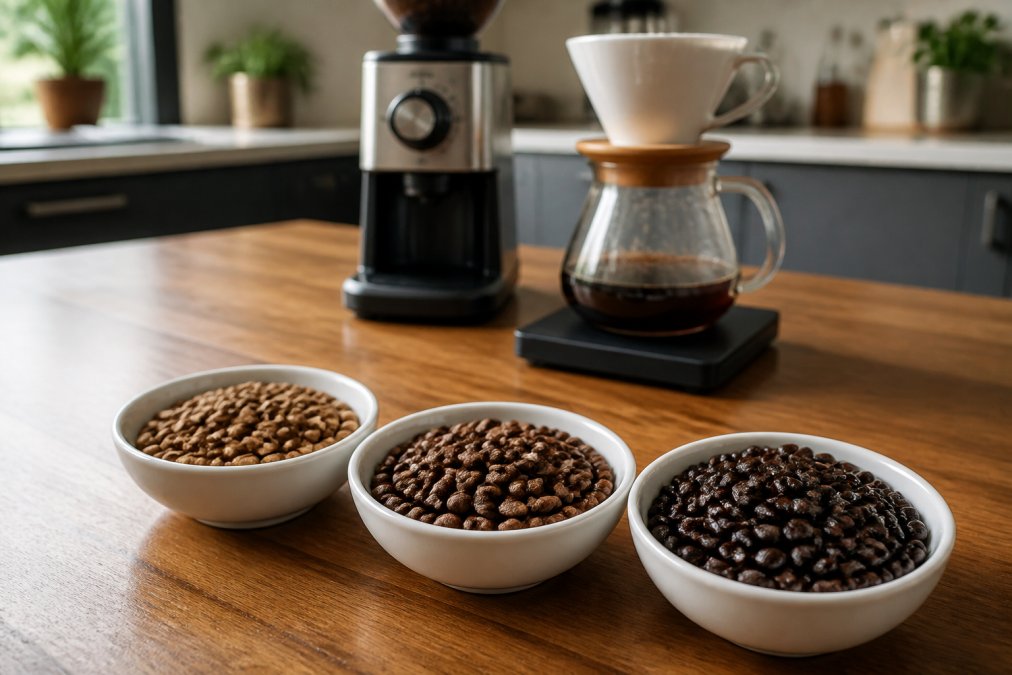
Freshness, Roast Date, and Why Pre-Ground Falls Short
Pre-ground coffee trades freshness for convenience, and the trade is steep. Grinding exposes far more surface area to air, so stale flavors arrive within days rather than weeks. A burr grinder in the breakroom fixes this. Whole beans ground right before brewing keep their flavor notes intact and give you flexibility across drip, cold brew, and espresso setups.
Roast Profiles: Light, Medium, and Dark Compared
Roast profile determines acidity, body, and aftertaste. Light roasts keep brighter, fruitier flavor notes and more caffeine by weight. Medium roasts balance sweetness and acidity, which suits most offices. Dark roasts bring heavier body and lower acidity, a safer pick for milk and creamer drinkers.
How to Choose Office Coffee: A Decision Framework for Managers
Choosing office coffee comes down to three variables: your brewing equipment, your daily cup volume, and your budget per cup. Answer those in order and the bean decision mostly makes itself.
Matching Beans to Your Brewing Equipment
| Equipment | Best Bean Match | Grind | Watch For |
|---|---|---|---|
| Drip brewer | Medium roast, blend | Medium | Oily beans clog filters |
| Bean-to-cup | Medium roast, whole bean | Machine-set | Very dark roasts gum up grinders |
| Espresso | Medium-dark, single-origin or blend | Fine | Stale beans pull thin shots |
| Cold brew | Dark roast, coarse | Coarse | Under-extraction tastes watery |
Volume, Caffeine, and Cost-Per-Cup Math
- Bag price ÷ cups per bag = raw cost per cup. A 5-pound bag at a mid-tier specialty price and a 5-pound bag at a commodity price can differ by two to three times, but the per-cup spread is usually measured in cents, not dollars.
- Add the hidden costs. Filters, cleaning tablets, descaling solution, and the electricity to run the brewer all belong in the true cost per cup. A common pattern is that consumables add a meaningful fraction on top of the bean cost alone.
- Compare against the outside-coffee baseline. Most offices find that even premium whole-bean coffee lands well below the price of a single café latte, which reframes the 'is it worth it' question entirely.
- Multiply by headcount and days. Cups per day × working days per month × cost per cup = your monthly bean budget. This is the number you bring to whoever approves the spend.
Bulk supply pricing depends on quantity, roast selection, and delivery schedule, so request a quote rather than guessing at a figure. Ask whether the quote includes a standing order discount and whether the roast date is guaranteed at ship, not at order.
Caffeine, Decaf, and Daily Volume Planning
Caffeine content varies by bean species and roast, not just by cup size. Arabica carries less caffeine by weight than Robusta, and because light roasts are denser, a scoop of light roast can deliver slightly more caffeine than the same scoop of dark. For planning purposes, assume roughly 95 milligrams of caffeine per 8-ounce drip cup as a working average, then adjust down for decaf (typically a small fraction of that) and up for espresso drinks.
Sourcing Wholesale Office Coffee Beans: What to Look For
Sourcing wholesale office coffee beans means finding a roaster who roasts to order, prints a roast date, and can scale with your headcount. Ask three questions before you sign anything: When was this roasted? Can you hold a consistent supply? What is your minimum order?
Arabica vs. Robusta: Flavor, Caffeine, and Cost Trade-Offs
Arabica beans carry more sweetness and complexity with lower caffeine content. Robusta beans deliver more caffeine and a heavier, more bitter cup at a lower cost. Most specialty roasters build their blends around Arabica and use Robusta sparingly for body and crema. For an office, an Arabica-forward blend pleases more drinkers; a Robusta-heavy blend saves money but tends to divide the room.
Ethical Sourcing, Fair Trade, and Organic Certifications
Ethically traded beans matter to a growing share of employees, and certifications give you something concrete to point to. Fair trade and organic labels verify supply-chain practices through third-party audits. When a roaster builds direct relationships with producers, as Reading Coffee does, you can ask for details on origin and verification rather than accepting a vague claim.
Bulk Coffee Bean Storage Tips for Breakroom Freshness
Bulk coffee bean storage tips come down to four rules: keep beans whole, keep them sealed, keep them cool, and keep them away from light. Shelf life collapses fast when any of those slip.
- Store beans in an opaque, airtight container, not the open hopper
- Keep the container in a cool, dark cabinet away from the machine's heat
- Buy in quantities you'll finish within three to four weeks
- Never refrigerate or freeze daily-use beans; condensation ruins them
- Label each container with the roast date for inventory management
- Clean the grinder hopper weekly to prevent stale oil buildup
Allergy, Dietary, and Decaf Options for Inclusive Breakrooms
An inclusive breakroom stocks at least one decaf and one low-acid option alongside your regular roast, and treats them as first-class menu items, not afterthoughts. This is the section most office coffee guides skip entirely, and it is the one your HR team will care about most.
Decaf That Actually Tastes Like Coffee
Decaf beans go through a decaffeination process that removes most caffeine while preserving flavor. The method matters more than the label:
- Swiss Water Process uses only water, temperature, and carbon filters, no chemical solvents. It is the method most often requested by employees who avoid solvent residues.
- CO2 (supercritical carbon dioxide) is a solvent-free method that preserves delicate flavor notes well and is common in specialty decaf.
- Solvent-based methods (methylene chloride or ethyl acetate) are older and cheaper. Direct and indirect versions exist; some buyers avoid them on principle even though residues are regulated to trace levels.
Low-Acid and Sensitive-Stomach Options
Low-acid beans suit employees who avoid coffee because of reflux or sensitivity. Acidity in coffee comes from several sources: the bean's natural chlorogenic acids, the roast level, and the brew method. Dark roasts and certain single-origin beans naturally carry lower acidity. Cold brew is also lower in perceived acidity because the cold extraction pulls fewer of the acids that bother sensitive drinkers.
Cross-Contamination: The Detail HR Will Ask About
Cross-contamination matters to anyone avoiding caffeine for medical or religious reasons, and to anyone with a true allergy concern. Practical steps:
- Dedicate a grinder to decaf. A shared burr grinder retains grounds from the previous batch, and a decaf drinker pulling a shot from a shared grinder is getting a measurable caffeine dose. A small second grinder solves this permanently.
- Dedicate a hopper or a single-serve pod drawer if you run a bean-to-cup machine. Swapping hoppers between regular and decaf is not a clean solution, residual beans and oils remain.
- Label everything. Decaf containers, decaf hoppers, and decaf pods should be unmistakable. A common failure is a well-meaning employee refilling the decaf hopper with regular beans.
- Keep flavored and unflavored beans separate. Flavored beans are typically coated in oils and flavorings that transfer to grinder burrs and taint subsequent batches.
Certifications Your HR Team May Require
When a breakroom serves a diverse workforce, certifications give you something concrete to point to rather than a vague claim:
- Fair Trade Certified verifies supply-chain practices through third-party audits, including minimum prices and labor standards.
- USDA Organic verifies growing and processing practices against federal standards.
- Kosher certification (look for a recognized hechsher symbol) matters to employees who keep kosher and to anyone observing during specific periods.
- Rainforest Alliance Certified covers environmental and social criteria and is widely recognized by sustainability-focused teams.
Building the Inclusive Menu
A workable inclusive breakroom usually stocks four options: a medium roast default, a dark roast backup, a quality decaf, and a low-acid or cold brew alternative. That covers the widest range of palates and dietary needs without forcing you to stock five options nobody finishes. Rotate seasonally rather than expanding the permanent lineup.
Maintenance Habits That Protect Flavor and Cut Costs
Maintenance is the quiet variable in every breakroom coffee program. A dirty machine makes good beans taste bad, and it wastes money on coffee nobody drinks.
Conclusion: Building a Breakroom Coffee Program That Works
The best beans for office breakrooms are the ones your team actually drinks, backed by a roaster who keeps them fresh. Get the freshness, roast, and equipment match right, then let maintenance and storage protect the investment.
Frequently Asked Questions
Should offices buy whole bean or pre-ground coffee?
Whole bean coffee stays fresh longer because the oils and aromatics are sealed inside the bean. Once ground, coffee begins losing flavor within hours due to oxidation. For an office breakroom, whole bean paired with a burr grinder delivers noticeably better taste and lets you grind only what you need per batch. If your team lacks a grinder or wants maximum convenience, pre-ground works, but buy smaller quantities and store it in an airtight container away from light and heat.
How do you choose coffee beans for a large office?
Start by counting daily drinkers and peak hours, then match bean volume and roast profile to your brewing equipment. A medium roast works across drip, cold brew, and super-automatic machines, making it the safest default for mixed preferences. Look for wholesale office coffee beans with a roast date printed on the bag, not just a best-by date. Ordering in bulk lowers cost-per-cup, but only if you can store beans properly and rotate stock so nothing sits past its peak.
How often should office coffee be restocked for freshness?
Restock based on consumption, not a fixed calendar. Aim to use whole bean coffee within two to four weeks of the roast date for best flavor. If your office goes through several pounds a week, a biweekly wholesale delivery keeps the breakroom stocked without overbuying. For slower offices, order smaller bags more often. Bulk coffee bean storage tips like keeping beans in an opaque airtight container and storing them away from the brewer's heat help stretch freshness between deliveries.
What is the 15-15-15 coffee rule?
The 15-15-15 rule is a brewing guideline some coffee educators use: a 15:1 water-to-coffee ratio by weight, a 15-second bloom pour, and a 15-minute hold time before discarding brewed coffee. It is not an industry standard, but the underlying principles are useful for breakrooms. A consistent ratio prevents weak or bitter batches, blooming releases carbon dioxide for better extraction, and not letting brewed coffee sit on a hot plate past 15 minutes avoids the stale, burnt taste that turns employees off.
Building a breakroom coffee program that employees look forward to takes the right beans, the right equipment match, and a supplier who shows up consistently. Reading Coffee brings over 35 years of small-batch roasting, direct producer relationships, and customized wholesale solutions to offices of every size. Get started with Reading Coffee and give your team a cup worth the walk to the breakroom.