
Best Coffee Beans for Moka Pot: Reading Coffee Picks
Last Updated: November 26, 2026
Quick Summary
The best coffee beans for a moka pot are a medium-dark to dark roast, ground medium-fine and roasted recently. Dark roasts give the full, smoky body that suits the moka pot's concentrated brew, while lighter roasts can taste sharp or sour.
- Choose a medium-dark to dark roast for a full, smoky body.
- Brew within a few weeks of the roast date for the sweetest flavor.
- Grind medium-fine, between table salt and fine sand.
- Use a burr grinder for more even flow through the basket.
- Store beans airtight away from heat and light, not in the refrigerator.
Table of Contents
- What Makes a Bean Good for a Moka Pot?
- Best Pre-Ground Coffee for Moka Pot: Our Picks by Roast and Taste
- Best Italian Coffee for Moka Pot: Bold Blends and Dark Roasts
- What Ground Coffee for Moka Pot Works Best at Home
- Moka Pot Grind Size: Getting the Right Fineness
- Whole Beans vs. Pre-Ground: Which Suits Your Moka Pot Routine
- Choosing Your Moka Pot Beans and Ordering Reading Coffee
- Frequently Asked Questions
What Makes a Bean Good for a Moka Pot?
Moka pots brew with steam pressure rather than the high-pressure extraction of an espresso machine, so the beans you choose shape the cup more than most people expect. Good moka pot coffee usually comes from a medium-dark to dark roast, a grind set between fine and medium-fine, and beans roasted recently enough to still taste sweet and round.
The first thing to look for is roast level. A dark roast gives a full, smoky body that cuts through the bold, concentrated flavor a moka pot produces. Lighter roasts can taste sharp or sour when brewed this way, because the stovetop method extracts quickly and heavily.
Freshness matters just as much. Look for a roast date on the bag, and aim to brew within a few weeks of it. Store beans in an airtight container away from heat and light, and grind them right before brewing.
Best Pre-Ground Coffee for Moka Pot: Our Picks by Roast and Taste
If you prefer pre-ground coffee, pick a roast that matches the flavor you want from your moka pot. Our French Roast Coffee: Bulk Volume suits anyone who likes a dark, intense cup. It is a blend of Central American and Pacific coffees, roasted extremely dark for a smoky, full-bodied result with little acidity. The bulk option comes as four 5-pound bags for 20 pounds or eight 5-pound bags for 40 pounds, and it is also available whole bean.
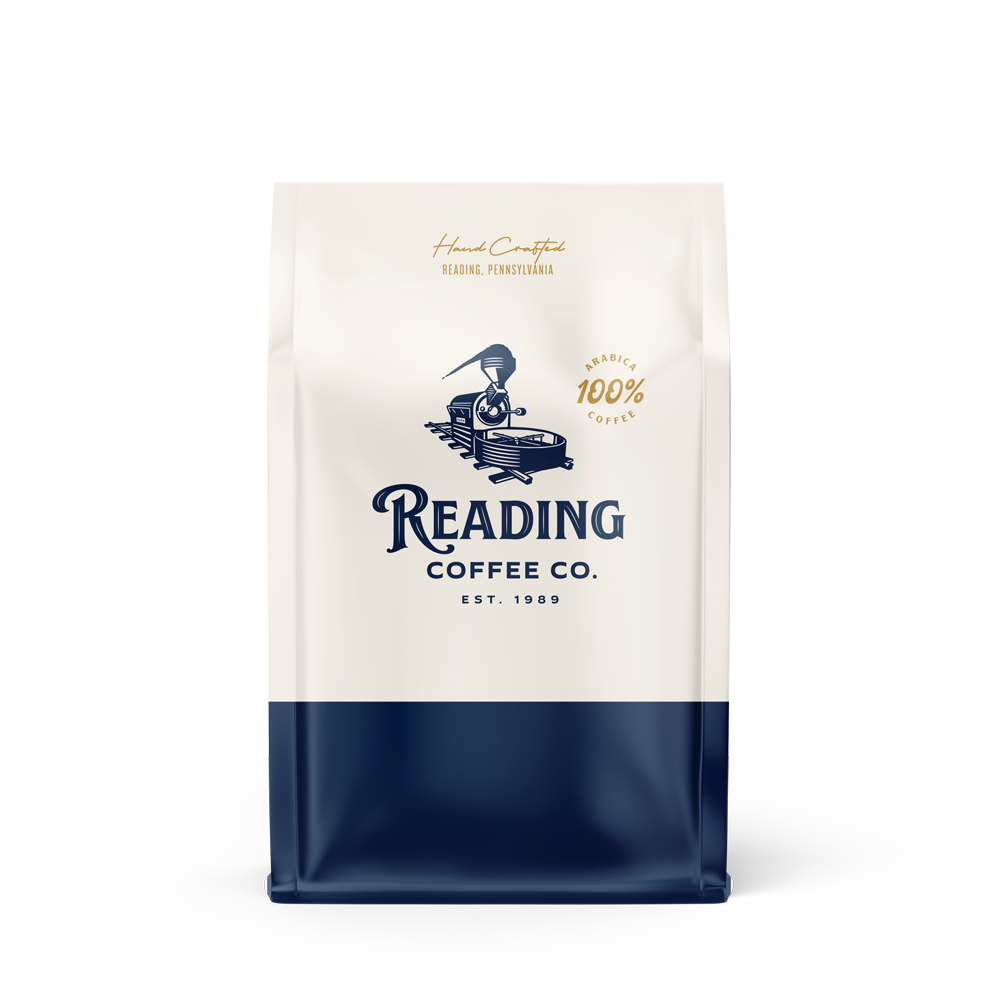
For a gentler, more balanced cup, our Breakfast Blend Coffee: Bulk Volume is mostly medium roast with a touch of dark roast for richness and smoke. Both bulk options cost $280.00.
Best for: dark-roast lovers who brew a lot and want the most value per cup. Skip if: you want bright, fruity flavors, since these blends lean toward smoke and chocolate.
Best Italian Coffee for Moka Pot: Bold Blends and Dark Roasts
Moka pots were designed in Italy, and many home brewers still reach for dark, traditional blends. Our Half-Caf Deeply Dark suits that taste. You can shop the Moka Java blend if you want a bolder option made for this brewing method. It is a smoky dark roast based on our Colombian San Francisco bean, with a mild, almost sweet finish. You can also view the traditional Italian blend on the site. It is a 50/50 mix of caffeinated and Swiss Water Processed decaf beans. It costs $20.00.
Watch out: dark roasts that are too finely ground can taste bitter and burnt. Start with a medium-fine grind and adjust from there.
What Ground Coffee for Moka Pot Works Best at Home
For home brewing, choose ground coffee that is labeled for stovetop or moka pot use, or a medium-fine to fine grind.
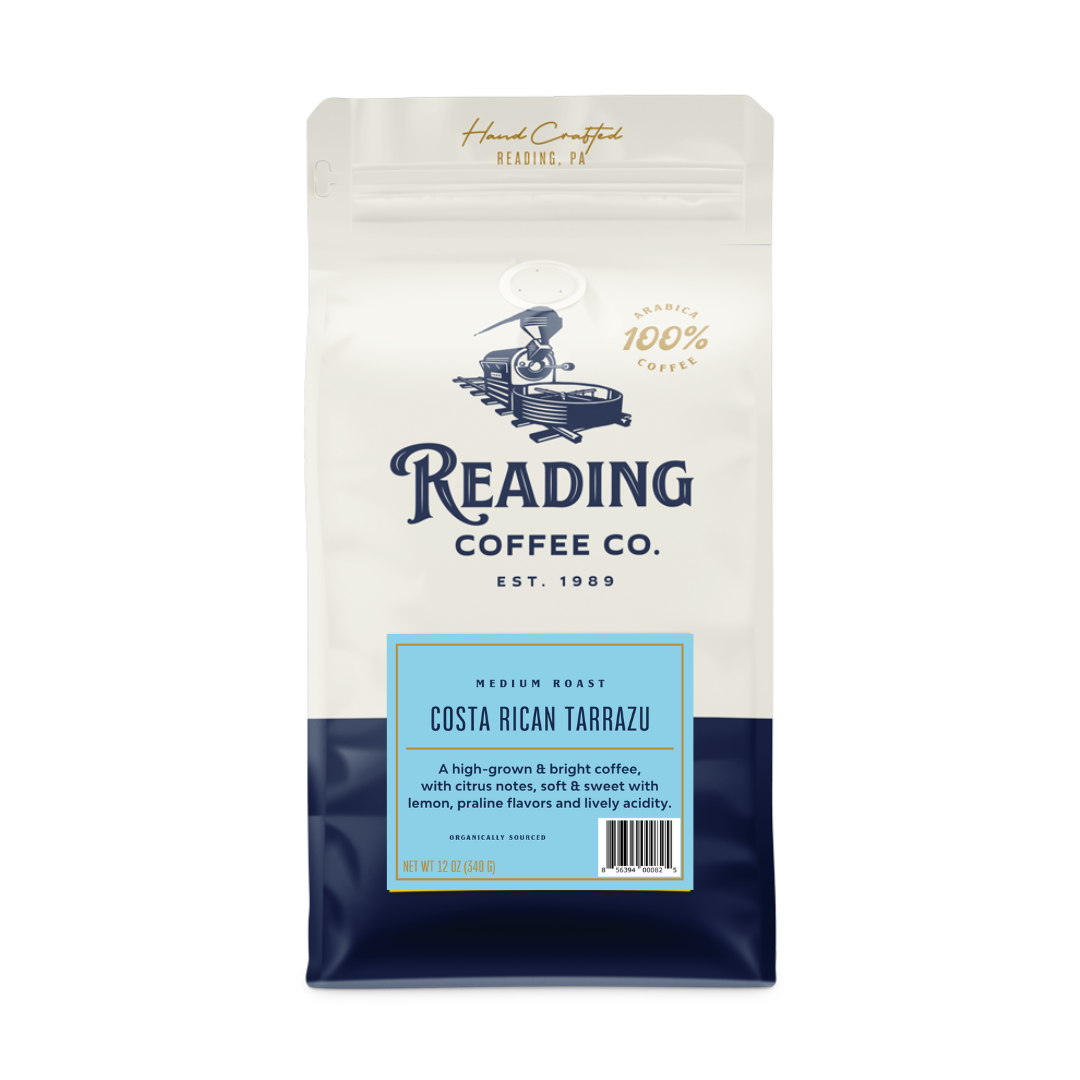
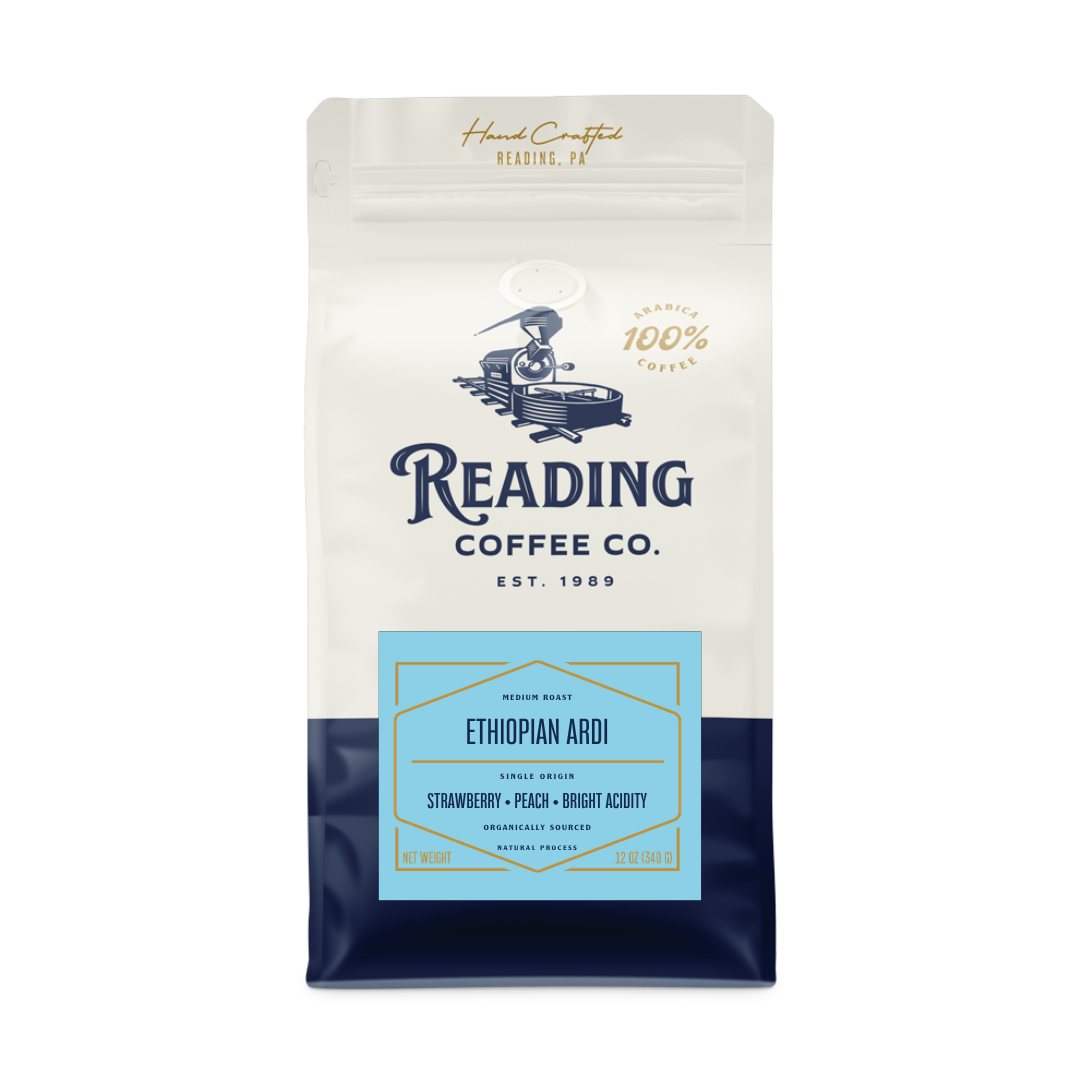
Single-origin coffees give you more control over flavor. Our Costa Rican is a medium roast with a medium acidity, up-front sweetness and a subtle citrus finish. Our Honduras is a washed medium roast with milk chocolate, graham cracker and nut notes, priced at $20.00 for a 12 oz bag. Our Ethiopian Ardi is a naturally processed medium roast with strawberry and peach notes and bright acidity, at $21.00 for 12 oz.
Moka Pot Grind Size: Getting the Right Fineness
Grind size is the variable most home brewers get wrong, and it is also the easiest to fix once you know what to look for. For a moka pot, aim for a medium-fine grind that sits between table salt and fine sand. When you rub a pinch between your fingers, it should feel slightly gritty but hold together if pressed. If it feels like powder, it is too fine; if it feels like cornmeal, it is too coarse.
A burr grinder gives a more consistent particle size than a blade grinder, which matters because moka pots rely on even flow through the basket. With a blade grinder, you get a mix of dust and boulders, so some coffee over-extracts while the rest under-extracts. If you already own a blade grinder, pulse in short bursts and shake the grinder between pulses to even out the grind.
Grind calibration by grinder type:
- Conical burr grinders (Baratza, Fellow, Oxo, etc.): Start around the "fine" end of the espresso range or the coarsest espresso setting, then back off one or two clicks toward medium. On a Baratza Encore, that is often between settings 8 and 12; on a Fellow Ode, start around 2 and adjust from there.
- Flat burr grinders: These tend to produce more fines, so start one step coarser than you would on a conical burr and adjust based on taste.
- Hand grinders (Timemore, 1Zpresso, Comandante): Start around 15-20 clicks from zero on a Comandante, or the "moka" range if your grinder marks it, then fine-tune by taste.
- Blade grinders: Pulse 5-8 times for a 15-20 gram dose, shake, and pulse again. Expect less consistency and adjust your expectations accordingly.
Moka pot size also affects grind. A 2-cup pot brews faster and with less thermal mass than a 6-cup or 9-cup pot, so a slightly coarser grind can help prevent over-extraction in small pots. In larger pots, a slightly finer grind helps maintain resistance as water flows through a bigger coffee bed.
Grind just before brewing. Fill the basket level with grounds and do not tamp it down, since moka pots rely on gentle, even flow. Leveling with a finger or a light shake is enough.
Watch out: if your coffee tastes weak and sour, the grind is likely too coarse or the dose is too low; if it tastes harsh and bitter, the grind is likely too fine or the pot is running too hot. Adjust one variable at a time, grind first, then dose, then heat, so you can taste what changed.
Image placeholder:
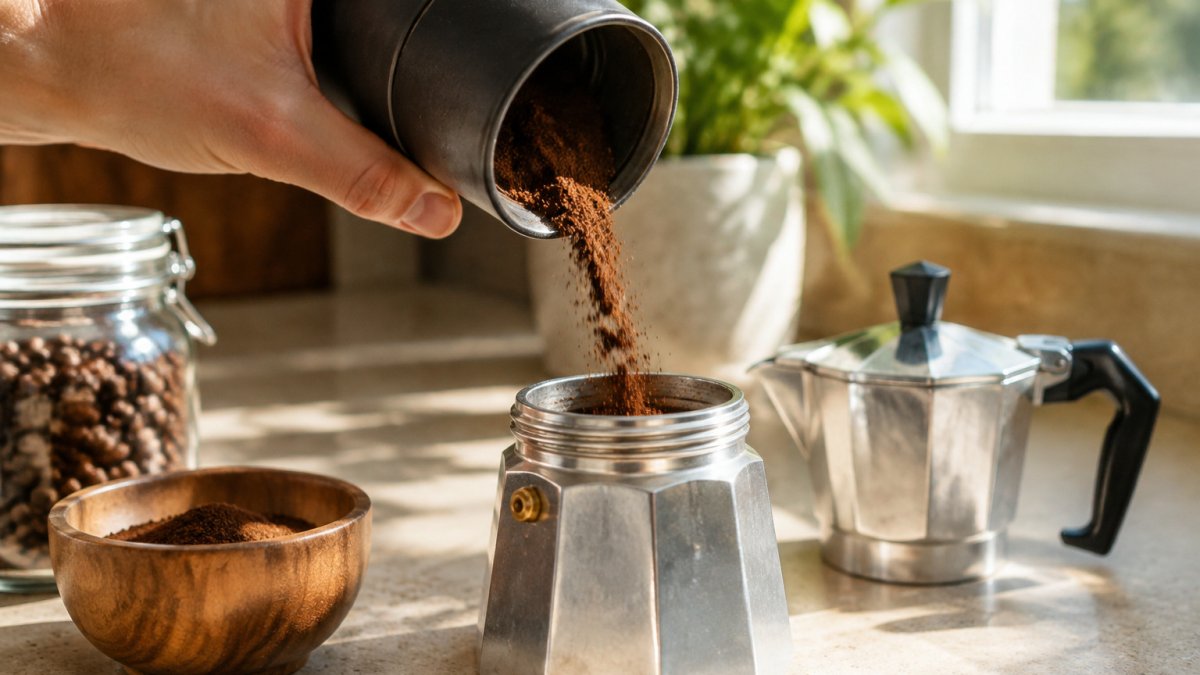
Grind size is the variable most home brewers get wrong, so here is a quick reference for setting it on each grinder type.
| Grinder type | Starting point | How to adjust |
|---|---|---|
| Conical burr | Fine end of espresso range | Back off one or two clicks toward medium |
| Flat burr | One step coarser than conical | Adjust by taste |
| Hand grinder | 15-20 clicks from zero on a Comandante | Fine-tune by taste |
| Blade grinder | Pulse 5-8 times for 15-20 grams | Shake and pulse again; expect less consistency |
Whole Beans vs. Pre-Ground: Which Suits Your Moka Pot Routine
Whole beans keep their flavor longer and let you adjust the grind for each brew, which helps when you try different roasts or pot sizes. If you grind at home, buy whole beans, store them airtight, and grind only what you need for each pot.
Pre-ground coffee is more convenient, especially for offices and households that want quick, consistent brewing without a grinder. Buy pre-ground in smaller amounts or choose a bulk size you can use within a few weeks.
A simple decision framework:
- Choose whole beans if: you own a burr grinder, you brew fewer than four pots a day, you want to experiment with grind and dose, or you are buying a medium or light roast where nuance matters most.
- Choose pre-ground if: you do not own a grinder, you brew for a crowd and value speed, or you are buying a dark roast where smoke and chocolate notes are more forgiving of slight staleness.
- Choose bulk whole bean if: you brew daily, have a grinder, and can store the extra bags in a cool, dark place. Our bulk French Roast and Breakfast Blend are available as whole bean only.
Storage matters as much as the format. Keep beans in an airtight container away from heat, light, and moisture. Do not store them in the refrigerator, where condensation and food odors can degrade flavor. A cool pantry shelf is better than a countertop next to the stove. If you buy pre-ground, transfer it to an airtight container as soon as you open the bag, and note the roast date so you know how long you have.
Watch out: pre-ground coffee labeled "espresso" is often too fine for a moka pot and can clog the basket or taste bitter; look for a medium-fine grind labeled for stovetop or moka pot use, or buy whole bean and grind it yourself.
Choosing Your Moka Pot Beans and Ordering Reading Coffee
Start by choosing a roast level, then decide between whole beans and pre-ground based on how often you brew and whether you own a grinder. Dark roasts suit traditional moka pot flavor. Medium roasts and single-origins suit drinkers who want more brightness and nuance.
If you are ready to order, our French Roast Coffee: Bulk Volume is the best place to start for a bold, dark moka pot cup.
Shop the French Roast Coffee: Bulk Volume from Reading Coffee and brew your next pot with beans roasted for bold flavor.
Frequently Asked Questions
Can I use any coffee beans in a moka pot?
You can, but results vary. Moka pots brew with steam pressure, so medium to dark roasts with a fine-to-medium grind tend to give the richest, most balanced cup. Very light, highly acidic beans can taste sharp or thin. Reading Coffee's Breakfast Blend and Honduras single origin are both medium roasts, and Half-Caf Deeply Dark is a half-caffeinated dark roast.
Which coffee roast is best for a moka pot?
Medium-dark to dark roasts are the most reliable choice for a moka pot. They produce a bold, full-bodied cup with chocolate and smoky notes that stand up to the concentrated brew. Reading Coffee's French Roast Coffee: Bulk Volume is an extremely dark roast with a smoky profile. For a medium roast with a bit more sweetness, the Costa Rican at $20.00 is a good middle ground.
What grind size works best for moka pot coffee?
Aim for a medium-fine grind, somewhere between table salt and sand. If the grind is too fine, coffee can clog the filter and over-extract, making the cup bitter. If it is too coarse, water passes through too quickly and the coffee tastes weak. Adjust in small steps and taste each brew, since the right setting depends on your grinder and the size of your pot.
Should I use whole beans or pre-ground coffee in a moka pot?
Whole beans give you more control over freshness and grind size, which matters for consistent results. Pre-ground coffee is convenient and works well if it is fresh and sized for a moka pot. Check the roast date and buy in amounts you will use within a few weeks. Reading Coffee offers its bulk blends as whole bean only.
