
7 Stack Street Alternatives for Cafes Worth Trying
Last Updated: October 25, 2026
Quick Summary
Stack Street alternatives for cafes should be chosen by fit, not reputation: match minimum order size, delivery cadence, and roast profile to your weekly volume and menu. Request samples of both your espresso and filter candidates, then run two full delivery cycles before signing a longer contract.
- Ask for the smallest recurring order you can place, not a one-time volume discount.
- Request the same bean twice, weeks apart, and brew both to test batch consistency.
- Confirm sample fees, shipping costs, and whether the fee is credited on your first order.
- Run two full delivery cycles before considering an annual contract.
- Ask for a named support contact rather than a general inbox, and note their hours.
Table of Contents
- What Stack Street Is and Why Cafes Look for Alternatives
- How We Picked These Stack Street Alternatives for Cafes
- Wholesale Coffee Suppliers for Cafes: What to Compare Side by Side
- Coffee Roasters for Cafes: Matching Roast Profiles to Your Menu
- Ethically Sourced Coffee Beans for Cafes: Questions to Ask Before You Switch
- Why Small-Batch Coffee Roasters Fit Cafe Menus
- Alternatives by Use Case: Which Option Fits Your Cafe
- Ordering a Sample Roast and Setting Up Your First Wholesale Account
- Frequently Asked Questions
What Stack Street Is and Why Cafes Look for Alternatives
Stack Street is a coffee brand with a following among cafe owners seeking a dependable wholesale partner.
This guide from Reading Coffee, roasting in small batches since 1989, breaks down the criteria that separate a good wholesale relationship from a frustrating one, then maps each option to the cafe that fits it best.
The short version: there is no single best replacement. There is a best fit for your volume, your menu, and how much control you want over the roast.
How We Picked These Stack Street Alternatives for Cafes
We built this shortlist around the questions cafe owners actually ask before switching: minimums, supply consistency, and who roasts the beans.
Our criteria:
- Order flexibility that matches a small cafe's real volume, not a distributor's pallet math
- Roast profile range across espresso, filter, and cold brew
- Sourcing transparency you can put on a menu board without second-guessing it
A common mistake is choosing a supplier on price per pound alone. The cost of a bad fit shows up later as inconsistent shots, wasted dial-in time, and staff frustration.
Wholesale Coffee Suppliers for Cafes: What to Compare Side by Side
Wholesale coffee suppliers for cafes differ most on minimum order size, delivery rhythm, and what happens when a shipment is late or a batch tastes off. Get those in writing before you commit.
| Criterion | What to Ask | Why It Matters |
|---|---|---|
| Minimum order | Smallest recurring order accepted | Keeps cash tied up in beans, not inventory |
| Delivery cadence | Weekly, biweekly, or on demand | Freshness versus storage space |
| Contract length | Month-to-month or annual | Flexibility if your volume changes |
| Sample policy | Free, paid, or credited on first order | Cost of testing before switching |
| Support contact | Named rep or general inbox | Speed of help when something goes wrong |
Minimum Orders, Delivery Cadence, and Contract Terms
Ask for the smallest order you can place repeatedly, not once. A supplier that welcomes a modest recurring order is easier to grow with than one that discounts heavily at volume you cannot yet hit.
Watch out: signing an annual contract before you have run two full delivery cycles is the most common way cafes get locked into a supplier that does not fit.
Coffee Roasters for Cafes: Matching Roast Profiles to Your Menu
Coffee roasters for cafes should be chosen by menu, not reputation. A roaster known for bright, light filter roasts may not deliver the chocolatey, forgiving espresso your milk drinks depend on.
Start with your three best-selling drinks. If most of your volume is espresso-based, prioritize a consistent espresso blend and a clear dial-in recommendation. If you pour filter or batch brew, ask about single-origin rotation and how often the lineup changes.
A practical test: request the same bean twice, a few weeks apart, and brew both side by side. Consistency between batches tells you more than any sales sheet.
Espresso, Filter, and Cold Brew: One Roaster or Several
Many cafes run one roaster for espresso and a second for filter and cold brew, menu variety at the cost of doubled ordering and delivery logistics.
If cold brew is on your menu, the equipment matters as much as the bean. The Toddy Cold Brew System is the kind of setup cafes use to produce a smooth concentrate without an electrical brewer, a sensible starting point before you commit to a cold brew program.

For batch brewing, a brewer that holds temperature within the 196°F to 205°F range keeps extraction predictable across the day, so any staff member can brew the same cup.
Ethically Sourced Coffee Beans for Cafes: Questions to Ask Before You Switch
Ethically sourced coffee beans for cafes are only a selling point if you can verify the claim. Ask every supplier four questions:
- Which certifications apply to this specific lot, and can I see documentation?
- Do you buy directly from producers, and how long have those relationships lasted?
- What is your policy when a harvest falls short of the expected volume?
The answers reveal whether sourcing is genuine. If a supplier cannot name the origin beyond a country, that is your signal.
Why Small-Batch Coffee Roasters Fit Cafe Menus
Small-batch coffee roasters fit cafe menus because they can adjust roast profiles to a specific account and roast close to delivery, something chain-supplied beans rarely offer.
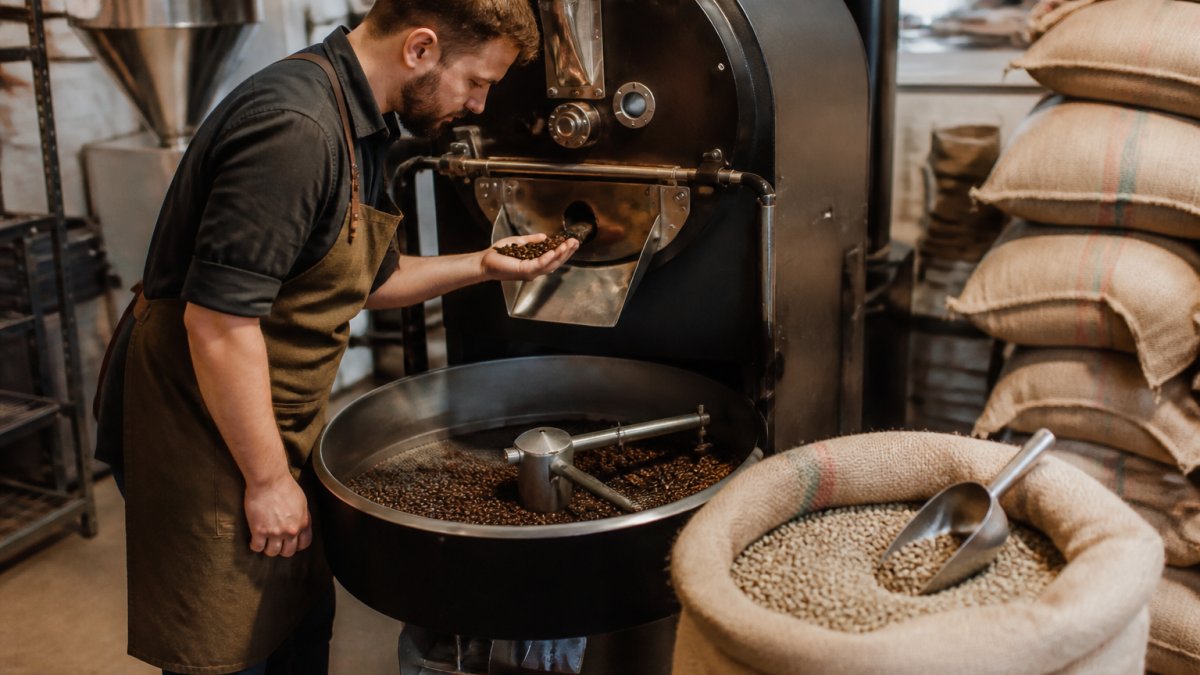
This is where Reading Coffee operates.
The trade-off is real: a small roaster may not match a large distributor on volume discounts or next-day coverage.
Alternatives by Use Case: Which Option Fits Your Cafe
The right Stack Street alternatives for cafes depend on what you are trying to fix. Organize your search around the job the supplier has to do, then compare candidates on the same attributes.
How to scope your shortlist before you compare
Start with a written brief: weekly volume in pounds, the espresso-to-filter split, cold brew, storage space, and delivery window. Two or three candidates are usually enough once the brief is specific. Confirm each candidate's service area covers your address before investing in samples, a nationwide shipper may still have a minimum for your zone, and a local roaster may deliver only within a set radius.
The comparison attributes that actually decide the fit
Use the same scorecard for every candidate so the decision is not driven by one impressive sales call.
| Attribute | What to record | Why it separates candidates |
|---|---|---|
| Coffee quality and consistency | Espresso dial-in recommendation, batch-to-batch tasting notes | Predictable shots reduce waste and staff frustration |
| Drink selection | Espresso blend plus rotating single-origins for filter and cold brew | Menu variety without a second supplier |
| Food and pastry fit | Whether the roast profile complements your food menu | A bright filter roast can clash with rich pastries |
| Atmosphere and seating | Not supplier-controlled, but delivery timing affects service flow | Late deliveries disrupt the morning rush |
| Opening hours and delivery window | Drop-off days and times, plus support hours | Matches your receiving staff and storage |
| Price and minimums | Price per pound at your volume, smallest recurring order | Keeps cash in beans, not inventory |
| Independent or locally owned | Ownership and roasting location | Closer contact with the person roasting |
| Distinctive experience | Origin story you can put on the menu board | Supports menu storytelling and staff training |
Alternatives by use case
- Working and remote-office cafes: prioritize a supplier with a dependable espresso blend, a documented dial-in, and a delivery cadence that keeps beans fresh through long service days. Ask for batch-to-batch tasting notes so a new barista can repeat the shot.
- Meeting friends and social cafes: look for a roaster with both a forgiving espresso blend and a rotating single-origin lineup, so the menu has something to talk about without changing the house shot.
- Specialty coffee focus: choose a roaster that can name the farm or cooperative, show certification paperwork for the specific lot, and rotate single-origins on a published schedule.
New or noteworthy spots to watch
Treat new or noteworthy coffee spots as a signal, not a shortcut. A cafe that recently switched suppliers and is drawing lines is worth a visit, but verify the terms yourself. Ask the staff who roasts the beans and how often the lineup changes, those answers tell you more than a crowded room.
Customer recommendations and reviews
Read reviews for patterns rather than single complaints. Repeated mentions of inconsistent batches, late deliveries, or unresponsive support are the signals that matter. Cross-check against your scorecard, and ask for two references from cafes at your volume before you commit.
Selection methodology and freshness
This guide is built from the questions cafe owners actually ask before switching: minimums, consistency, who roasts the beans, and whether they can talk to that person.
If cost is the sticking point, it helps to understand what drives the gap between commodity and specialty pricing. Our breakdown of why premium coffee costs more walks through the price components so you can compare quotes on equal footing.
Ordering a Sample Roast and Setting Up Your First Wholesale Account
Order a sample before you switch, and treat it as a working trial rather than a formality. Brew it on your own equipment, with your own staff, during a normal service day, the goal is how the bean behaves when you are busy, not how it tastes in a quiet cupping room.
What a sample trial should cost and include
Sample policies vary: some roasters send free samples, some charge a small fee, and some credit the fee against your first order. Ask which applies before you request, and confirm whether shipping is included.
Ask for samples of both your espresso and filter candidates, and request the roast date on each bag. Beans roasted within the last week give you a fair test; older samples tell you more about storage than about the roaster.
A trial checklist you can run in one week
- Request samples of both your espresso candidate and your filter candidate
- Confirm the sample fee, shipping cost, and whether the fee is credited on your first order
- Record the roast date on each bag and brew within the first week
Setting up the account without overcommitting
Once the trial passes, set up the account with a recurring order sized to your weekly usage, not your storage capacity, overordering fresh beans undoes the freshness advantage you switched for.
Confirm in writing: delivery window and receiving contact, smallest recurring order, price per pound at your volume, and what happens when a shipment is late or a batch tastes off.
What to do when the trial fails
A failed trial is useful information. Note whether the problem was the bean, the roast date, or the dial-in guidance, and tell the supplier. A roaster that responds with a concrete adjustment or replacement sample is showing you how they will handle problems after the account opens; one that deflects is showing you the same thing.
Frequently Asked Questions
How do I choose a coffee roaster for my cafe?
Start with the drinks you actually sell. If espresso drinks dominate, ask for a dedicated espresso blend and pull test shots before committing. If filter and cold brew move well, ask about single-origins and how often the lineup rotates. Then compare the practical side: minimum order size, delivery schedule, lead times, and whether you get a consistent roast profile batch to batch. Request samples of at least three coffees and score them blind with your staff.
What should cafes look for in wholesale coffee suppliers for cafes?
Look at four things: order minimums, delivery frequency, price per pound at your volume, and what happens when a shipment is late or a batch tastes off. Ask whether pricing is locked for a set period and whether seasonal beans are guaranteed to return. A supplier that answers those questions in writing, with a named contact, is easier to build a menu around than one that only quotes a per-pound rate.
Which coffee roasters offer ethically sourced beans?
Many roasters now describe beans as ethically traded, but the wording varies. Ask for specifics: which certification applies, whether it is third-party verified, and whether the roaster buys directly from producers. A roaster with direct producer relationships can usually explain where a specific lot came from and how it was purchased. Get the answer for the exact bean you plan to serve, not just a general statement on the website.
How can a cafe compare coffee suppliers fairly?
Brew the same recipe across every sample: same dose, same grind, same water temperature, same yield. Score each on aroma, sweetness, body, and finish, and note how the coffee holds up in milk if you serve lattes and cappuccinos. Compare cost per brewed serving rather than cost per pound, since dose and yield differ. Then weigh the logistics, because a slightly better bean with unreliable delivery costs more than it saves.
How do cafes find a reliable small-batch coffee roaster?
Ask other cafe owners who roast on a similar scale, then request a sample and a wholesale sheet in the same conversation. A small-batch roaster should be able to tell you roast dates, batch sizes, and how quickly orders ship. Test one coffee on your menu for a month before moving your full program. Keep a backup supplier identified so a single roaster's capacity limit never leaves you without beans.
