
How to Verify Fair Trade Coffee Certification
Table of Contents
- What Fair Trade Certification Means for Coffee
- Coffee Certification Labels Explained
- How to Check Coffee Roaster Certification Status
- Step-by-Step Verification Process
- Fair Trade Certified vs Fairtrade International: Understanding the Difference
- Common Certification Myths and Misconceptions
- Why Transparency Matters in Your Coffee Supply Chain
- Frequently Asked Questions
Last Updated: September 18, 2026
What Fair Trade Certification Means for Coffee
Fair trade certification is a system designed to verify fair trade coffee meets standards ensuring farmers receive fair wages and work under better conditions. When you buy fair trade coffee, you're supporting producers who meet strict standards for labor practices, environmental protection, and community development.

At Reading Coffee, we've sourced ethically traded beans for over 35 years. We understand that fair trade certification goes beyond a simple label. It represents a commitment to supply chain transparency and direct relationships with farmers who grow the coffee you drink.
The certification process involves third-party auditors who verify that farms and cooperatives meet established standards. These auditors check everything from worker wages to environmental practices. The goal is straightforward: create a more equitable coffee supply chain where producers benefit directly from their work.
Fair trade certification addresses a real problem in the coffee industry. Many farmers struggle to earn sustainable incomes when coffee prices fluctuate on global markets. Certified fair trade arrangements help stabilize income and provide access to premium markets where buyers specifically seek out ethically sourced beans.
Coffee Certification Labels Explained
Multiple certification labels exist in the coffee market. Understanding the differences helps you make informed choices about which beans align with your values.
Fair Trade Certified Logo
The Fair Trade Certified logo is one of the most recognized symbols in specialty coffee. This label indicates that the coffee has been certified by Fair Trade USA, an independent nonprofit organization that audits and monitors compliance with fair trade standards.
The Fair Trade Certified mark guarantees several things. Farmers receive a minimum price per pound, regardless of market fluctuations. Workers are paid fair wages and have access to safe working conditions. Environmental practices meet established sustainability standards.
You'll find this logo on coffee bags, both whole bean and ground. The presence of the Fair Trade Certified seal means a third-party auditor has verified the supply chain. This verification includes farm inspections, documentation review, and ongoing monitoring.
Reading Coffee sources beans like our Bolivia Fair Trade Organic from verified fair trade cooperatives. This single-origin coffee comes from the Cooperativa Agropecuaria Alto Sajama in Bolivia, a cooperative that meets Fair Trade Certified standards. When you purchase fair trade coffee, you're directly supporting farming communities that depend on these certification programs.
Other Ethical Sourcing Labels
Beyond Fair Trade Certified, several other labels signal ethical sourcing practices. Understanding these options gives you more choices when selecting coffee that matches your values.
Rainforest Alliance Certified focuses on environmental sustainability and worker welfare. This certification emphasizes biodiversity conservation and climate-resilient farming practices. Rainforest Alliance auditors verify that farms meet standards for water protection and soil health.
Organic certification confirms that coffee is grown without synthetic pesticides or fertilizers. While organic doesn't specifically address labor practices, it does ensure environmental protection. Many fair trade coffees are also organic certified, offering dual assurance.
Direct Trade is a newer model where roasters buy directly from farmers without intermediaries. This approach can provide even higher prices to producers than fair trade certification requires. However, direct trade lacks standardized third-party verification, so buyer reputation becomes critical.
Each label represents different priorities. Fair Trade Certified emphasizes labor equity and community development. Organic focuses on environmental protection. Direct Trade prioritizes direct relationships and maximum farmer benefit. Many specialty coffee roasters, including Reading Coffee, seek out beans that meet multiple standards to ensure comprehensive ethical sourcing.
How to Check Coffee Roaster Certification Status
Before buying from any coffee roaster, verify their commitment to fair trade practices. This verification process protects you from misleading claims and ensures your money supports genuine fair trade initiatives.
Start by visiting the roaster's website. Look for clear statements about their sourcing practices and certification partnerships. Legitimate roasters prominently display their fair trade affiliations and provide documentation of their certifications.
Check the roaster's business registration with fair trade organizations. Fair Trade USA maintains a directory of certified importers, roasters, and retailers. You can search this database to confirm whether a specific roaster holds active certification.
Request documentation from the roaster directly. Ask for their fair trade certification certificate or audit reports. Legitimate operations willingly share this information. If a roaster is evasive about providing proof, that's a red flag.
Look for third-party audit reports on the roaster's website. These reports document compliance with fair trade standards and are typically updated annually. The presence of recent audit reports demonstrates ongoing commitment to certification requirements.
Step-by-Step Verification Process
To verify fair trade coffee certification, examine physical packaging, check license numbers, and confirm information through official databases. This process takes just a few minutes but provides complete assurance that your coffee meets fair trade standards.
Step 1: Examine the Package Label
Start with the physical coffee bag. Look for the Fair Trade Certified logo, which features a distinctive black and white design with a stylized person symbol. This logo should be clearly visible on the front of the packaging.
Bolivia Fair Trade Organic (FTO) →
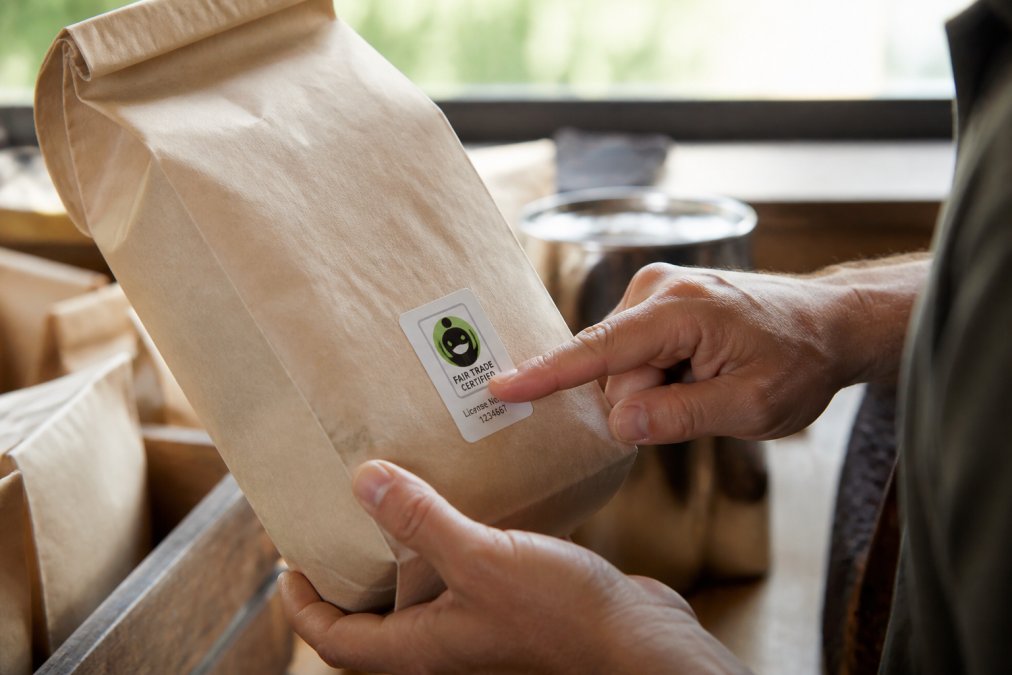
Next, locate the license number on the package. This number appears near the Fair Trade Certified logo. The license number is your key to verifying the coffee through official databases. Write down this number for the next verification step.
Check the roaster's name and origin information. The label should clearly state which country and region produced the coffee. This transparency is part of fair trade certification requirements. Reading Coffee includes detailed origin information on every bag, making it easy to trace the coffee's source.
Step 2: Look Up the License Number
Visit the Fair Trade USA website and navigate to their product directory. This searchable database allows you to enter the license number from your coffee bag. The database returns detailed information about the certified product, including the importer, roaster, and farm or cooperative details.
Enter the license number exactly as it appears on the packaging. The database search should return specific information about that coffee. If the license number doesn't appear in the database, the certification claim is invalid.
Record the information the database returns. Note the certified importer's name and the farm or cooperative that produced the coffee. This documentation proves the coffee's fair trade status and provides transparency about your supply chain.
Step 3: Check the Certification Body's Database
Fair Trade USA maintains an updated list of all certified products and suppliers. Access their certification directory through their official website. This database is the authoritative source for verifying fair trade status.
Search by product name, license number, or company name. The directory shows active certifications and provides detailed compliance information. You can see when the certification was issued and when it's scheduled for renewal.
Look for any notes about compliance or audit findings. The database sometimes includes information about certifications that have been suspended or revoked. This transparency helps consumers identify legitimate certified products.
Step 4: Verify Third-Party Audit Reports
Request audit reports directly from the roaster. Fair trade certification requires annual third-party audits. These reports document compliance with fair trade standards and are public information that roasters should readily share.
Audit reports show specific findings about labor practices, environmental compliance, and community development investments. The report date confirms that certification is current.
Fair Trade Certified vs Fairtrade International: Understanding the Difference
Two major fair trade certification systems operate in the coffee industry, and understanding the distinction helps you make informed purchasing decisions.
Common Certification Myths and Misconceptions
Several misconceptions circulate about fair trade coffee certification. Clearing up these myths helps you understand what certification actually guarantees and what it doesn't.
Myth: Fair trade means the coffee is organic.
Myth: Fair trade certification guarantees the best quality coffee.
Myth: All fair trade coffee costs significantly more.
Why Transparency Matters in Your Coffee Supply Chain
Understanding where your coffee comes from creates accountability throughout the supply chain. Transparency reveals the real people behind your morning cup and ensures fair trade commitments are genuine.
Frequently Asked Questions
How can I tell if my coffee is officially Fair Trade certified?
Look for the Fair Trade Certified logo on the package, it's a black and green label with a specific design registered with Fair Trade USA. Check the license number printed near the logo, then verify it on the Fair Trade USA website's certification database. You can also contact the roaster directly and ask for their certification documentation or audit report. Legitimate certified roasters are transparent about their credentials and happy to provide proof.
What's the difference between Fair Trade Certified and Fairtrade International?
Fair Trade Certified is the main certification standard used in North America, administered by Fair Trade USA. Fairtrade International (FLO) is the global umbrella organization that sets standards, but Fair Trade USA operates independently in the U.S. Both require fair wages, safe working conditions, and sustainable farming practices, but Fair Trade Certified has slightly different audit processes and licensing requirements. Always check which certification your coffee carries, the logo will tell you which standard it meets.
Are all coffee certifications equally reliable?
Not all certifications carry the same weight. Fair Trade Certified and Organic certifications require rigorous third-party audits and ongoing compliance checks. Some smaller labels or claims like 'fairly traded' or 'ethically sourced' lack standardized verification and may not be independently audited. Stick with certifications that include a license number, a certification body name, and a searchable database where you can verify the roaster or farm directly.
How do I look up a coffee roaster's certification status?
Visit the Fair Trade USA website and use their certification directory. Enter the roaster's name or license number to see their current certification status, scope (which products are certified), and audit history. You can also search by the license number on the coffee bag itself. If you can't find the roaster in the database, that's a red flag, certified roasters are always listed. For other certifications, check the issuing body's website directly.